Learn About dryer vent cleaning
Learn About dryer vent cleaning
Blog Article
Air Ventilation Cleaning: Breathe Better With These Vital Tips
Air duct maintenance is critical in keeping a healthy indoor environment. It helps eliminate contaminants, dust, and allergens that can influence air quality. Knowing when ducts need attention is important for maximum HVAC performance. Homeowners frequently overlook the tools and techniques required for thorough cleaning. Grasping these factors can greatly impact comfort levels and energy efficiency. What steps should one take to ensure cleaner air and a more efficient system?
How Air Duct Cleaning Improves Your Health
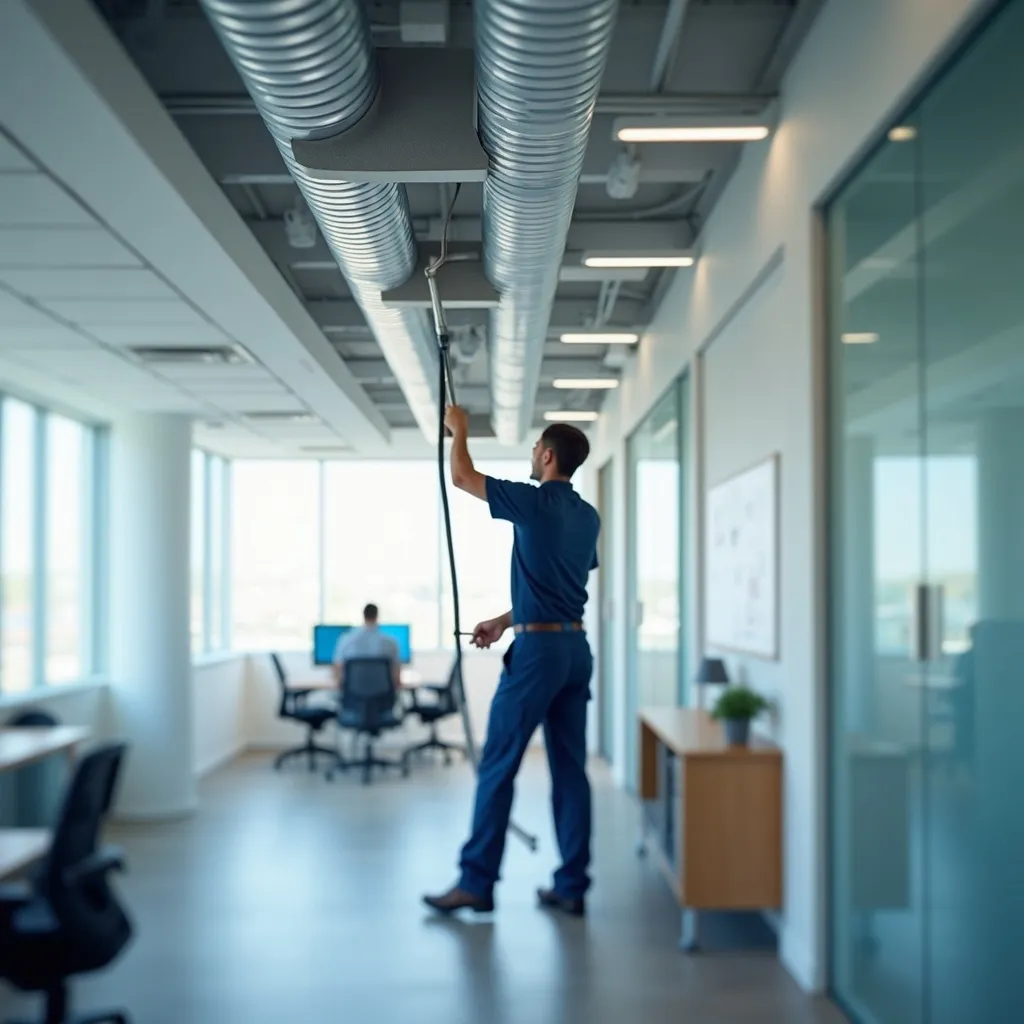
Air duct cleaning improves air quality indoors, creating improved health for occupants. Over time, allergens, pollutants, and dust collect within the ductwork, moving throughout the air. This accumulation can aggravate health problems, respiratory issues, and allergies. By removing these impurities, air duct cleaning reduces the likelihood of airborne diseases and supports a more salubrious home setting.
Additionally, spotless air ducts can increase the efficiency of heating and cooling see information on this systems, bringing about more uniform temperatures and diminished energy consumption. This not just aids in overall comfort but also reduces exposure to harmful substances that can be emitted when systems are neglectfully maintained.
Periodic maintenance of air ducts guarantees that clean, fresh air moves throughout the home, promoting better sleep, higher energy levels, and overall well-being. Ultimately, keeping clean air ducts is an crucial step in safeguarding the health of all occupants.
Warning Signs Your Ducts Need Cleaning?
Routine maintenance of air ducts is important for preserving a healthy living environment. Homeowners should remain alert for several warning signs indicating that duct service is required.
One prominent indicator is visible dust or debris near vents or the air filter, indicating accumulated dirt within the ducts. Additionally, if occupants suffer from increased allergy symptoms, such as sneezing or congestion, it may suggest that pollutants are circulating in the air.
Foul scents emanating from vents may also point to mold growth or stagnant debris. Moreover, if the HVAC system is running poorly, requiring frequent repairs or resulting in inconsistent temperatures, dirty ducts could be the culprit.
Ultimately, a hike in energy expenses may expose a plugged system failing to push air effectively. Recognizing these red flags can help secure frequent cleaning and support top-tier indoor air quality.
Do-It-Yourself Air Duct Cleaning Tools You Ought To Have
Keeping spotless air ducts calls for the proper tools to guarantee effective DIY cleaning. Important tools for this activity include a high-powered vacuum outfitted with a HEPA filter, which captures microscopic particles and allergy-causing particles.
A set of cleaning brushes, specifically designed for duct cleaning, helps remove dust and particles from the duct walls. Furthermore, a light source is essential for inspecting shadowy spaces in the ducts, guaranteeing thorough cleaning.
Safety gear, such as hand protection and a respirator, is important to copyright safety while managing dust and potential contaminants. A set of screwdrivers is also needed for taking off vent covers and access panels.
Finally, a wet rag can be employed to clean vent areas after cleaning. Together, these tools create a comprehensive kit for anyone seeking to address air duct maintenance safely and effectively.
Assemble Necessary Tools
Gathering the proper tools is essential for an efficient air duct cleaning process. A high-quality vacuum cleaner with a HEPA filter is vital for extracting dust and allergens.
A set of cleaning tools, including a long-handled duct brush, assists in dislodging debris from the duct walls. Flexible duct cleaning rods can increase reach and facilitate access to hard-to-reach areas. Furthermore, having a flashlight permits thorough examination of the ducts' interiors.
Protective gear, such as gloves and masks, guarantees safety while cleaning. Finally, a step ladder may be required for accessing higher vents.
Organize Your Space for Use
A well-organized space is crucial for an effective air duct cleaning service. First, the area around vents should be cleared of furniture and obstructions to enable easy access. This helps avert any harm to belongings and guarantees a complete cleaning.
Next, homeowners should seal supply vents with plastic sheeting to trap dust and debris during the process. It is also recommended to turn off the HVAC system to avoid circulating contaminants.
Finally, setting up a vacuum containing a HEPA filter nearby can help capture any particles loosened during cleaning. By following these measures, individuals establish an ideal space that supports effective air duct cleaning and enhances overall results.
Completely Clean Ducts
Before embarking on the air duct cleaning process, it's necessary for house owners to learn the step-by-step approach that guarantees thoroughness and effectiveness.
Initially, one must gather required items, like a vacuum, brushes, and microfiber cloths. Subsequently, switch off the HVAC system to maintain safety.
Finally, take off the vent covers and clean them with warm soapy water. By using a vacuum, cautiously remove dust and debris from the ducts. For more thorough cleaning, employ duct brushes to dislodge stubborn particles.
After cleaning, put the vent covers back in place and swap the air filter. Finally, power the HVAC system back on and listen for any unusual sounds.
Picking a Qualified Air Duct Sanitizing Service
How can one ensure that they select a dependable air duct cleaning service? First, it is essential to study potential providers thoroughly. Verifying for credentials, such as those from the National Air Duct Cleaners Association (NADCA), guarantees clients of adherence to industry standards.
Next, acquiring multiple bids allows for a review of services and pricing. A reputable firm will perform a detailed examination before providing an quotation, avoiding any misleading cheap offers.
Also, inquire about the cleaning methods and equipment utilized; a credible service will apply advanced tools and techniques.
Finally, confirm the company possesses appropriate insurance and is bonded, protecting clients from potential damages.
Tips for maintaining clean Air Ducts year-round
Preserving fresh air ducts year-round is vital for confirming indoor air quality and operational efficiency. Regular inspections are important; homeowners should check ducts for particles and dust collection at regular intervals.
Using high-efficiency air filters can greatly reduce contaminants, as these filters trap smaller debris that standard filters might overlook. It is advisable to change these filters every three months minimum or as suggested by the manufacturer.
Furthermore, decreasing indoor pollutants can assist in maintaining duct cleanliness. This encompasses limiting dust-producing activities, such as cigarette use or burning certain candles, and confirming proper ventilation when using cleaning products.
Regular maintenance of the home, including vacuuming and dusting, helps reduce the amount of dust that could enter the ducts. Finally, scheduling a expert service every few years can further guarantee that air ducts stay clear of harmful buildup, promoting a healthier living environment.
Air Duct Cleaning: Costs vs. Advantages
Analyzing the pros and cons of air duct cleaning demonstrates critical insights for homeowners. The beginning cost ordinarily spans from $300 to $1,000, influenced by factors like the size of the home and the complexity of the duct system.
While this might seem significant, the possible advantages often outweigh the costs. Clean air ducts can improve indoor air quality, minimizing allergens and irritants. This may cause fewer respiratory issues and lower healthcare costs over time.
In addition, a clean duct system can maximize HVAC productivity, conceivably minimizing energy bills by 10-30%. Homeowners should also consider the endurance of their HVAC systems.
Consistent care can extend the working life of the equipment, reducing the demand for premature replacements. At the end of the day, considering the starting expenses against sustained health gains and energy efficiency can support property dwellers render well-informed choices pertaining to air duct maintenance.
Often Asked Questions
How Often Should I Maintain My Air Ducts?
Experts suggest maintaining your air duct system every three to five years. However, elements like pets, allergies, or recent renovations may necessitate more regular cleaning sessions. Consistent upkeep guarantees better air quality and system efficiency for peak performance.
Can I Clean My Air Ducts Without Professional Help?
It's possible to clean ducts without professional help, yet DIY approaches may not achieve thorough results. Proper tools and techniques are essential for effective cleaning, making professional assistance often a more dependable selection for superior air quality.
What Potential Risks Do Dirty Air Ducts Pose?
Contaminated air ducts may cause inadequate indoor air quality, increasing allergens and pollutants. This can lead to respiratory issues, allergies, and overall discomfort. Additionally, accumulated debris can impede HVAC efficiency, increasing energy costs.
Can You Receive Guarantees from Air Duct Servicing Providers?
Many air duct cleaning services do provide warranties, ensuring customer satisfaction. These guarantees often cover the standard of service delivery, delivering reassurance that the service will meet specific standards and resolve any problems that arise post-cleaning.
Does Air Duct Cleaning Justify the Investment?
Allocating funds to duct cleaning services can be worthwhile, as it improves air quality within your home, optimizes HVAC performance, and possibly extends system lifespan. Homeowners frequently observe noticeable advantages, making it a smart choice for many.
Report this page